Thank you to our warfighters who have paid the ultimate price. Thank you to the families who have lost their own so others might not lose theirs.

Category: Opinions
Greg’s opinions – these are mine alone, and do not reflect the opinion of anyone else unless explicitly stated otherwise
EPA announces microcystin and cylindrospermopsin limits
Algal blooms produce harmful toxins. Because utilities often use these water bodies as sources of drinking water, EPA has determined algal toxin levels in tap water that can protect human health. EPA is also recommending how utilities can monitor and treat drinking water for algal toxins and notify the public if drinking water exceeds protective levels.
We Support Colorado Rainwater Harvesting Legislation Changes
Even two rain barrels promotes understanding of how water cycles through nature. Among the valuable lessons taught include how much rain one can harvest from roofs, how much landscapes use, and how much potable water consumption can be reduced.
Addressing Water Conservation Myths
Conservation is convenient, sensible and smart. Intelligent conservation and sustainable technologies and techniques are good for society, good for the planet and good for business.
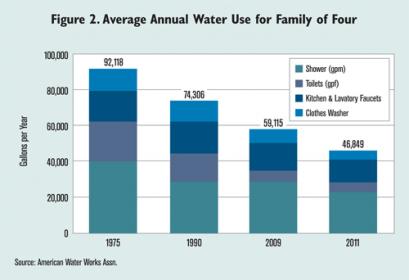
Salt Lake City’s Water Shortage
Salt Lake City is not immune to the realities of the climate change crisis and our recent below average snowfall is a clear sign of that. We are doing everything we can to address this problem for the short and long term.

Chlorine in Sewage Treatment Could Promote Antibiotic Resistance
Chlorine, may be failing to eliminate pharmaceuticals from wastes. As a result, trace levels are discharged from the plants into waterways. Scientists are now reporting that chlorine treatment may encourage the formation of new, unknown antibiotics that could enter the environment, potentially contributing to the problem of antibiotic resistance.