Chlorine, may be failing to eliminate pharmaceuticals from wastes. As a result, trace levels are discharged from the plants into waterways. Scientists are now reporting that chlorine treatment may encourage the formation of new, unknown antibiotics that could enter the environment, potentially contributing to the problem of antibiotic resistance.
Category: Opinions
Greg’s opinions – these are mine alone, and do not reflect the opinion of anyone else unless explicitly stated otherwise
Fix a Leak Week 2015
Promoted by the U.S. Environmental Protection Agency’s WaterSense program, March 16-22 marks 2015 Fix a Leak Week. this week focuses on helping consumers be aware of(more…)
Hard to Lather – Easy to Fix
Hard water is called “Hard”, for a number of reasons…some say it’s because it is full of hard rock-like inorganic mineral compounds like calcium carbonate. Others call it hard because it’s hard on the wallet, plumbing, faucets, laundry, and appliances. I like to teach my team that it is hard to lather. Soft water is called soft because “soft” is the opposite of “hard” and it sounds better than “easy”.
Protect your Wellhead
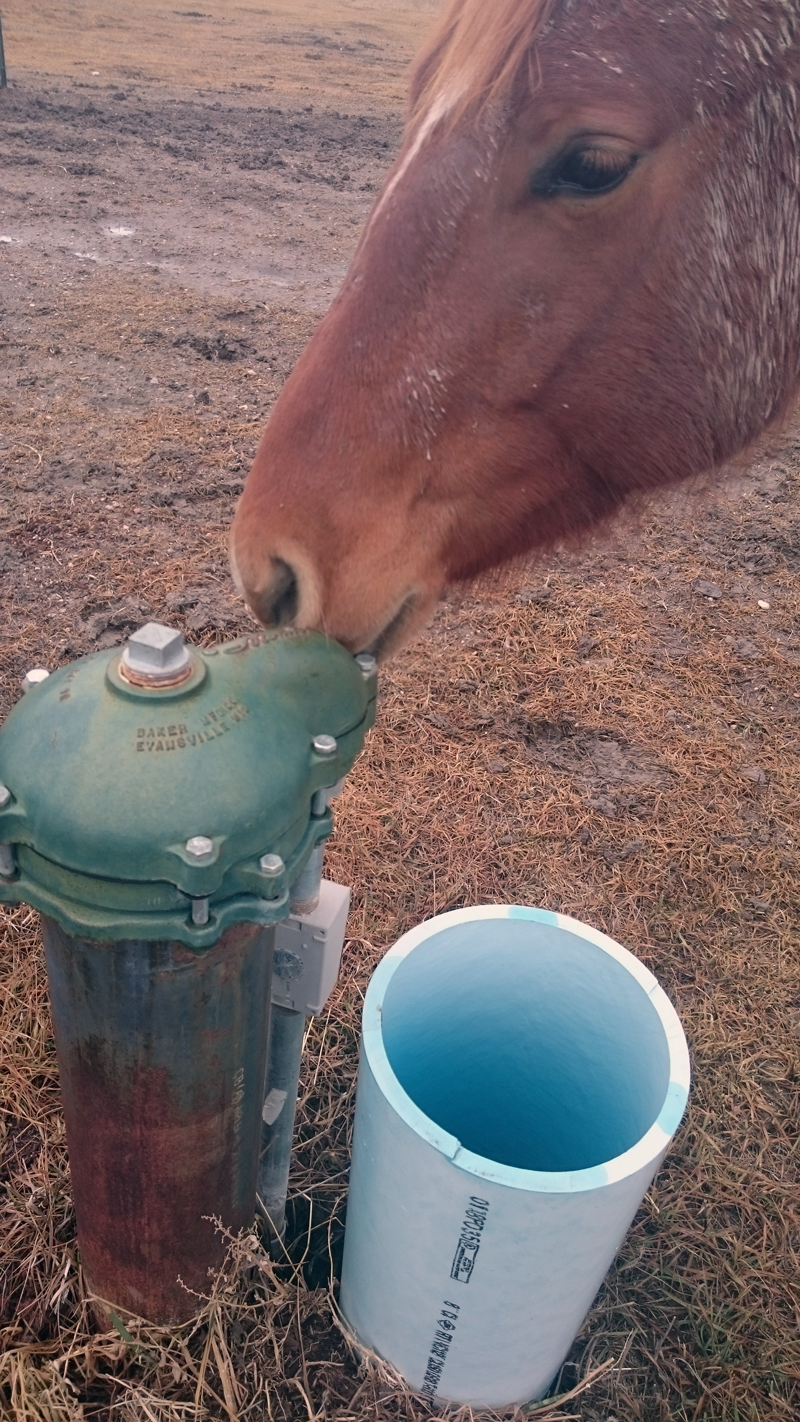
Owning your own well makes you the proprietor of your own water utility. You are responsible for the quality of your own water supply, and also for protecting it’s source. Without vigilant wellhead protection, aquifers can become contaminated, and entire communities and geographic areas will suffer.
NGWA leading CDC private water well owners outreach study
The National Ground Water Association is leading an effort to study the effectiveness of public awareness outreach to private water well owners for the Centers for Disease Control and Prevention.
Soft water causes water heaters to corrode?
There are accounts of softeners prolonging a water heater’s life span as well as some anecdotal accounts of water softeners causing water heaters to fail sooner, so this really needs to be clarified/qualified. Let’s dig a little deeper into it…